
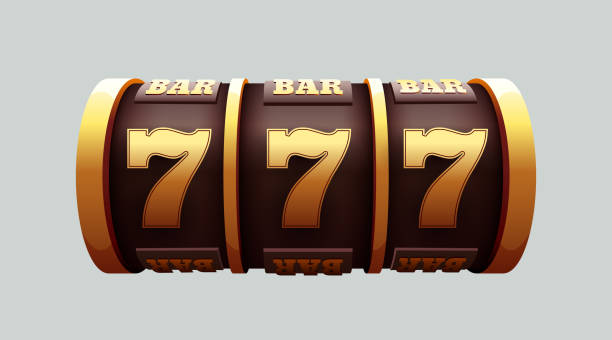

Reel-based games once communicated through a simple visual vocabulary. Fruit symbols, bells, bars, and sevens rotated across a small number of mechanical slot reels. A lever began the action, and fixed paylines made the result relatively easy to interpret. Although that traditional structure remains recognizable, the modern reel experience now speaks a much broader digital language.
Technology has expanded what slot reels can display, while game design has changed how players interact with them. Animation, sound, responsive interfaces, and themed features now work alongside conventional symbols. As a result, contemporary reel entertainment is not defined by spinning images alone. It is shaped by the relationship between technical systems, visual communication, and interactive presentation.
Table of Contents
ToggleFrom Physical Mechanisms to Digital Systems
Mechanical slot reel machines were restricted by their physical construction. Every reel could hold only a limited number of symbols, and the internal mechanism determined how those symbols moved. Designers worked within fixed cabinet dimensions and relatively simple operating systems.
Digital screens removed many of these restrictions. slot reels no longer had to correspond to physical strips inside a machine. Developers could introduce additional rows, animated symbols, changing layouts, and multiple game states within the same interface.
This transition did not eliminate the familiar reel structure. Instead, it made that structure more flexible. A game might begin with a conventional grid before expanding during a special feature. Symbols may disappear, transform, or move into new positions. The slot reels remain the central reference point, but their behaviour is no longer limited by mechanical engineering.
Technology Behind the Presentation
Modern tangan dewa reel games depend on several interconnected technologies. Random number generation determines outcomes, while graphics engines translate those outcomes into visible reel movements and animations. Audio systems provide feedback, and responsive software adjusts the interface for different devices.
It is important to separate the calculated result from its presentation. Reel animations display an outcome after the game system has determined it. Dramatic pauses, accelerating music, or symbols that appear close to forming a combination are visual and audio effects rather than evidence that the result is still changing.
Other technologies support the experience in less visible ways, including:
- Automatic software updates
- Secure account systems
- Cloud-based settings
- Performance optimization
- Touchscreen controls
- Scalable graphics for different displays
- Accessibility and language options
Visual Design as a Form of Communication
Design helps players understand what is happening on the screen. Symbols must be recognizable, controls should be clearly labelled, and important information needs to remain readable even during animated sequences.
Colour is often used to distinguish regular symbols from special ones. Lighting effects may indicate that a bonus feature has started, while changes in the background can signal a new game mode. Movement also carries meaning. A symbol that expands across several positions communicates something different from one that simply disappears.
Effective design creates a clear hierarchy. The slot reels remain visually prominent, but information about settings, balances, rules, and feature conditions should still be accessible. When too many effects compete for attention, the interface can become confusing rather than entertaining.
Themes and Narrative Structure
Themes give reel games a distinct identity. Developers may build them around fantasy, mythology, exploration, wildlife, history, or futuristic environments. A consistent theme influences the symbols, background, music, characters, and bonus sequences.
Some games also use light narrative progression. Players may move through different locations, collect themed objects, or encounter characters during particular features. These elements do not necessarily turn the experience into a conventional story-driven game, but they create continuity between spins.
The narrative layer is most effective when it supports the mechanics. An exploration theme, for example, might use map sections to represent different bonus stages. The visual concept then helps explain the game’s structure instead of functioning as decoration alone.
Changing Reel Mechanics
Digital development has introduced alternatives to fixed paylines and unchanging grids. Common approaches include cascading symbols, expanding slot reels, cluster-based combinations, and symbol transformations.
Cascading Systems
Symbols involved in a qualifying result are removed and replaced. This may create a sequence of changes from one initial action.
Expanding Layouts
Additional rows or columns appear during a feature, temporarily increasing the size of the reel area.
Cluster Mechanics
Results are formed through groups of matching symbols positioned next to one another rather than along traditional paylines.
These systems give the slot reels a more active role. Instead of rotating and stopping in the same format every time, they may change shape or respond visually to particular events.
Sound and Motion in Entertainment Design
Sound is an important part of the new reel language. Short audio cues can confirm an input, identify a symbol interaction, or announce a feature. Background music may also change in tempo or intensity as the screen enters a different mode.
Animation performs a similar function. Well-designed motion directs attention and explains changes. Excessive animation, however, can obscure information or make sessions feel overstimulating. Good entertainment design balances spectacle with clarity.
Responsible Interpretation of Digital slot reels
The increased sophistication of reel games can make them feel more interactive, but visual participation does not necessarily provide control over outcomes. Themes, collection systems, and animated choices should not be mistaken for skill-based influence when results remain chance-driven.
Players can approach reel entertainment more responsibly by setting spending and time limits, understanding the rules, and viewing participation as a leisure expense rather than an earning method.
Conclusion
The language of slot reels has evolved from mechanical symbols into a layered system of graphics, movement, sound, and responsive interaction. Technology provides the tools, design organizes the information, and entertainment gives the experience its character. Despite these changes, clarity remains essential. The most effective modern reel games use innovation to communicate their mechanics and themes while allowing players to distinguish engaging presentation from the chance-based systems beneath it.